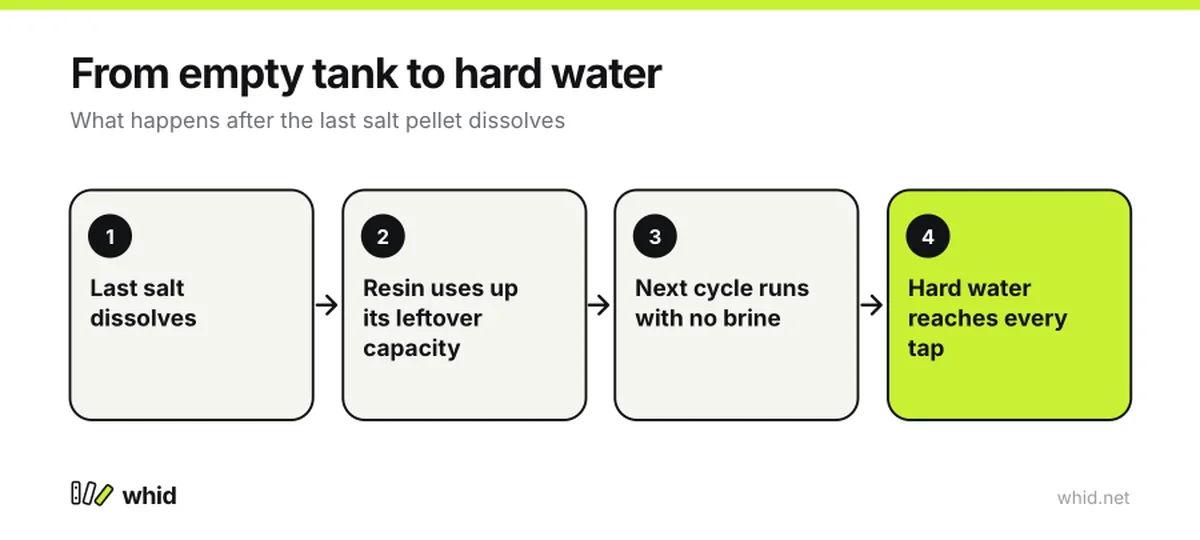
Nothing dramatic happens on the day the salt runs out. There is no alarm, no leak and, on most models, no warning light. The softener keeps clicking through its schedule as if everything were fine, and the water at your taps feels the same for a while. That quiet gap is why so many people only notice weeks later, usually from a crust of white spots on the shower glass.
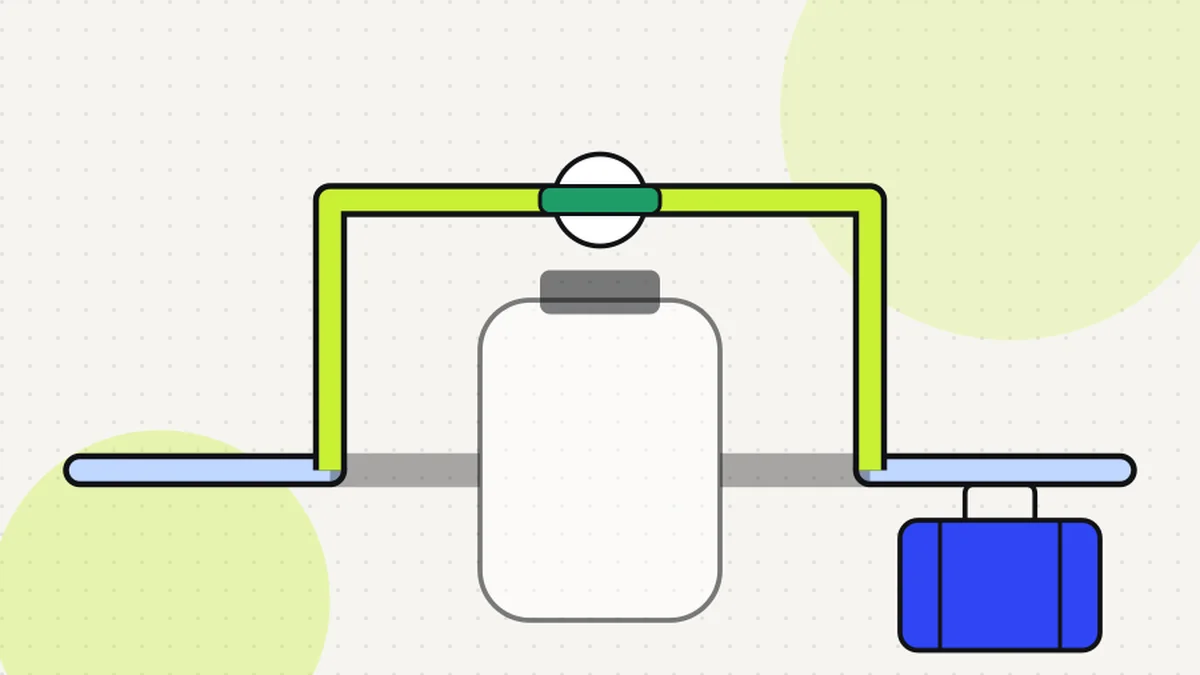
To understand the delay you need to know what the salt is for. It never touches your drinking water directly. It sits in the brine tank and dissolves into a strong saltwater solution. Every few days the softener pulls that brine through the resin tank to wash the small plastic beads that do the real work. Those beads grab calcium and magnesium as water flows past, and once they are full they need a brine rinse to let go of the minerals and start again. No salt means no real rinse.

The first few days: running on borrowed capacity
Right after the last good regeneration the resin bed is clean, so your water stays soft until that capacity is used up. How long that takes depends on two numbers: how hard your water is and how much of it you use.
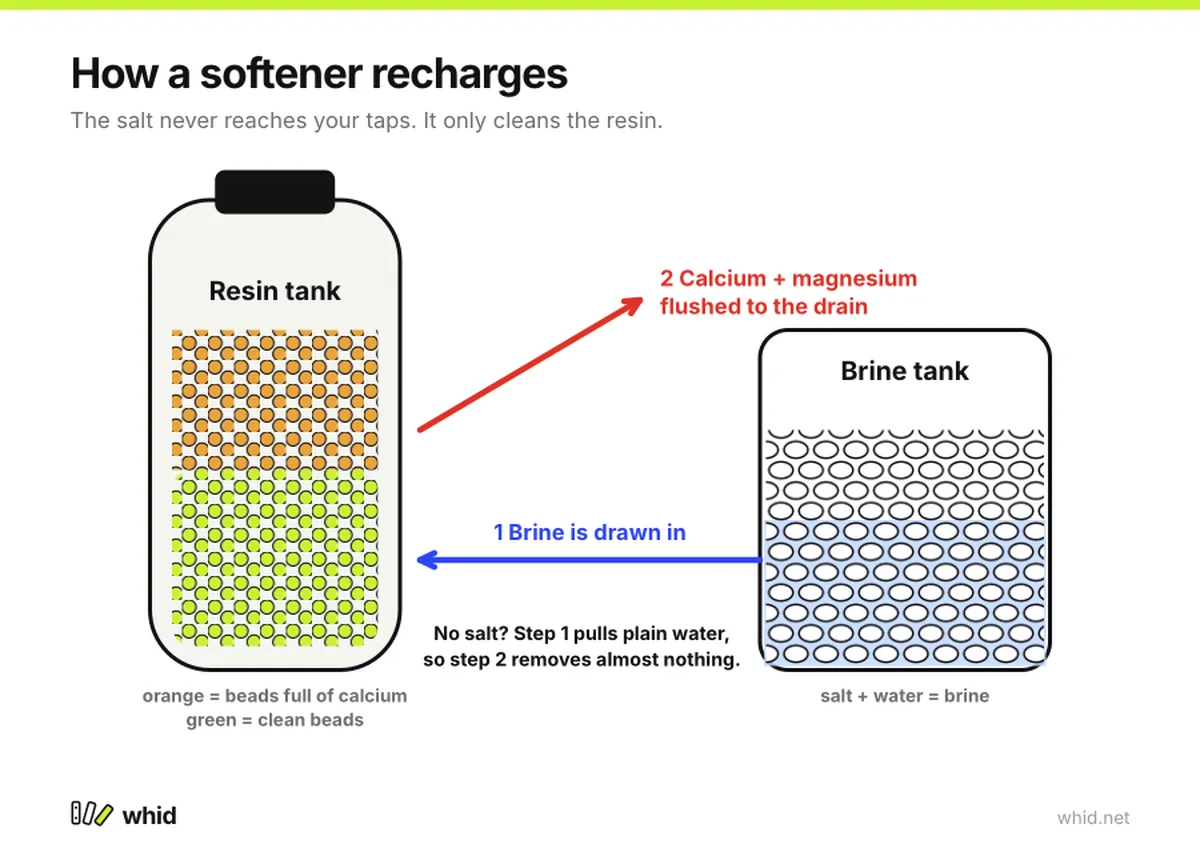
Here is a rough worked example. A family of four uses about 300 gallons a day. At 10 grains per gallon of hardness, that is 3,000 grains of calcium and magnesium a day landing on the beads. A common 32,000-grain softener, set up with a sensible reserve, would regenerate roughly once a week in that house. So the family gets a few more days of soft water, then the next cycle runs with no brine and the beads come out of it nearly as full as they went in.
If your water is very hard, or the house is busy, you can be on hard water within two or three days. A single person on mildly hard water might go a couple of weeks before seeing a difference.
What hard water does once it is back
The early signs are cosmetic and easy to miss: spots on glasses after the dishwasher, soap and shampoo that will not lather, a dull film on the shower walls, towels that feel stiff. Many people also notice their skin feels drier, which is more about soap scum than the water itself. Hard water is not a health risk, so there is no need to stop drinking it.
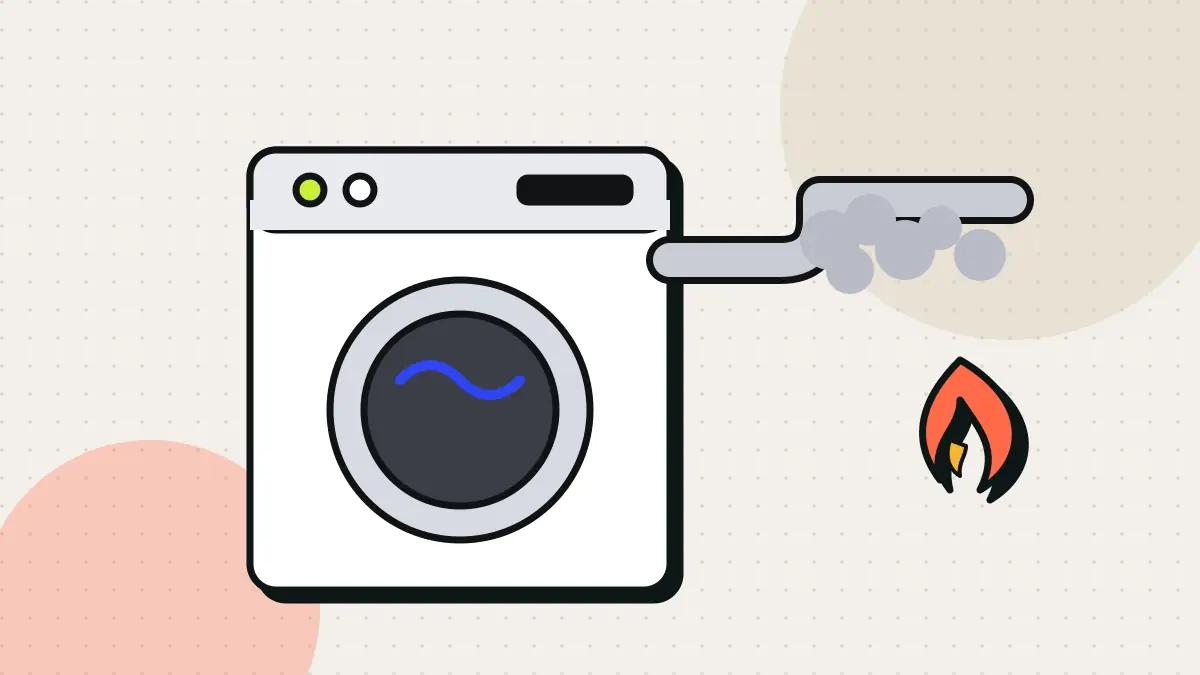
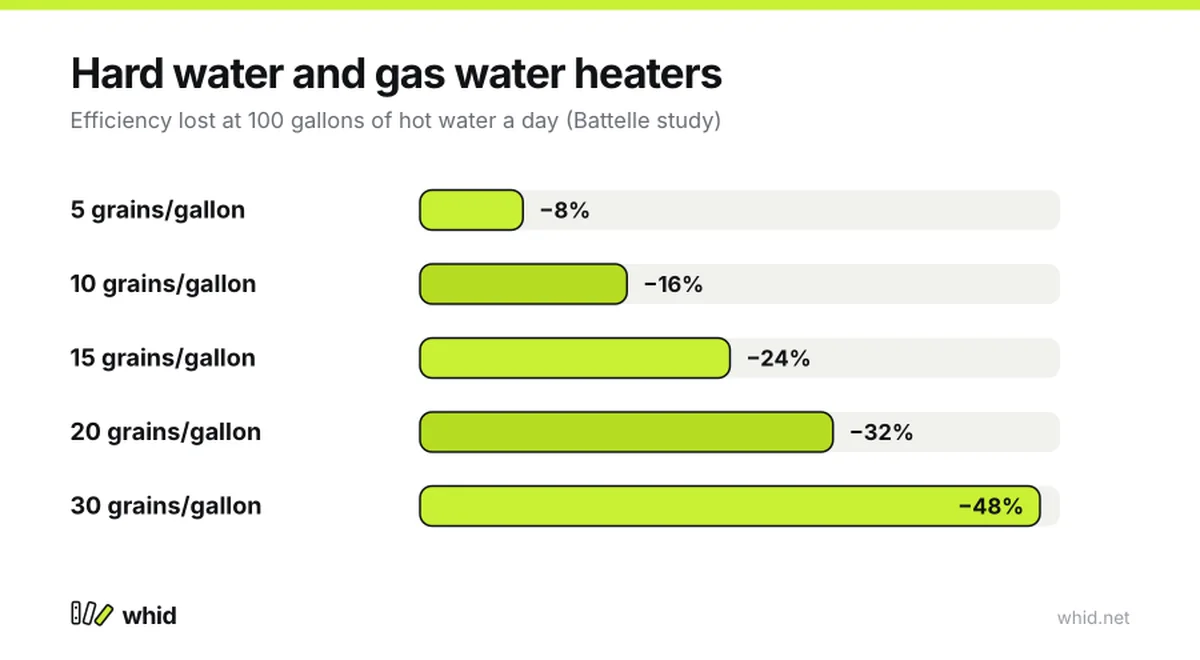
The real cost builds slowly inside things you cannot see. Heat makes dissolved calcium drop out of the water as scale, so the water heater collects it first. In a study run by the Battelle research institute for the water treatment industry, gas tank water heaters lost about 8% of their efficiency for every 5 grains per gallon of hardness when heating 100 gallons a day. On very hard water that adds up to a heater that burns noticeably more gas for the same shower.
A month of hard water will not ruin a heater, but a softener that sits empty for a whole season starts to undo the reason you bought it.
Can an empty salt tank damage the softener?
Usually not. Resin does not mind sitting full of calcium for a few weeks, and once you add salt it recharges normally. The parts that can suffer are the small ones. Hard water passes through the control valve and the injector, the narrow nozzle that sucks brine across, and scale in those passages can make the unit draw brine poorly even after you refill it. Homes with iron in their well water have one extra risk: iron that sits on resin without regular regeneration can stain the beads and cut their capacity.
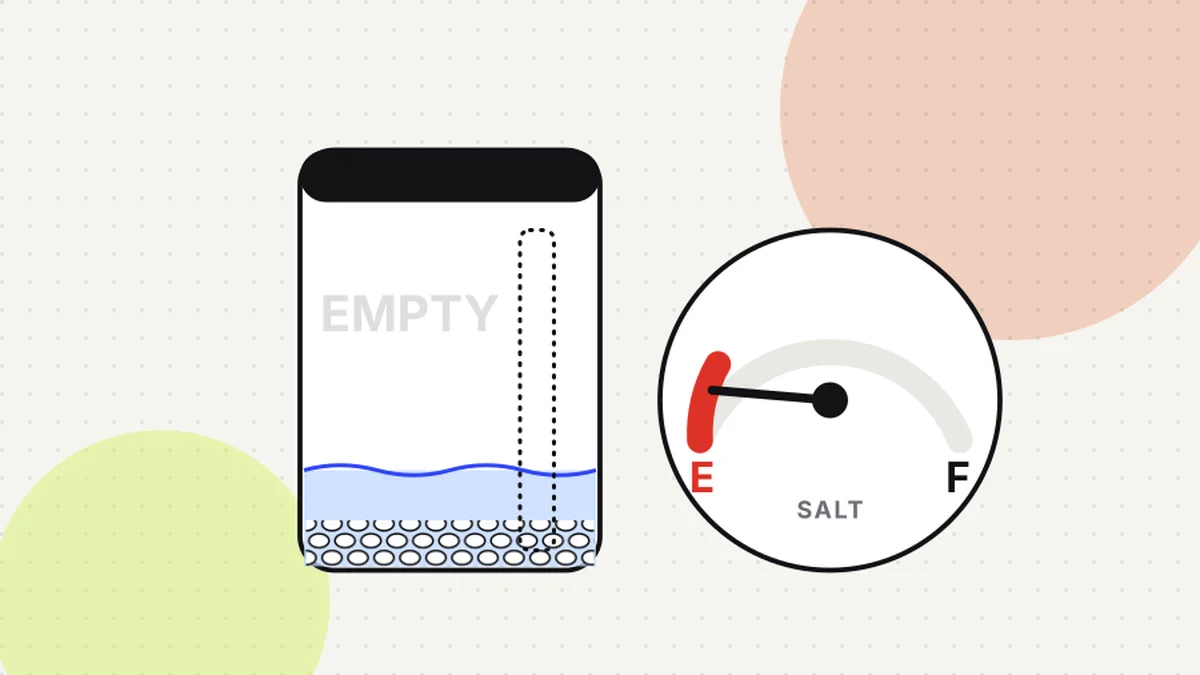
Before you blame an empty tank, check that it really is empty. A salt bridge is a hard crust that forms across the tank, with a hollow space underneath. From the top the tank looks full, but the brine underneath is gone and the softener behaves exactly as if it had run out. Push a broom handle gently down through the salt. If it stops on a solid layer and then drops through, you have found a bridge.
How to get soft water back
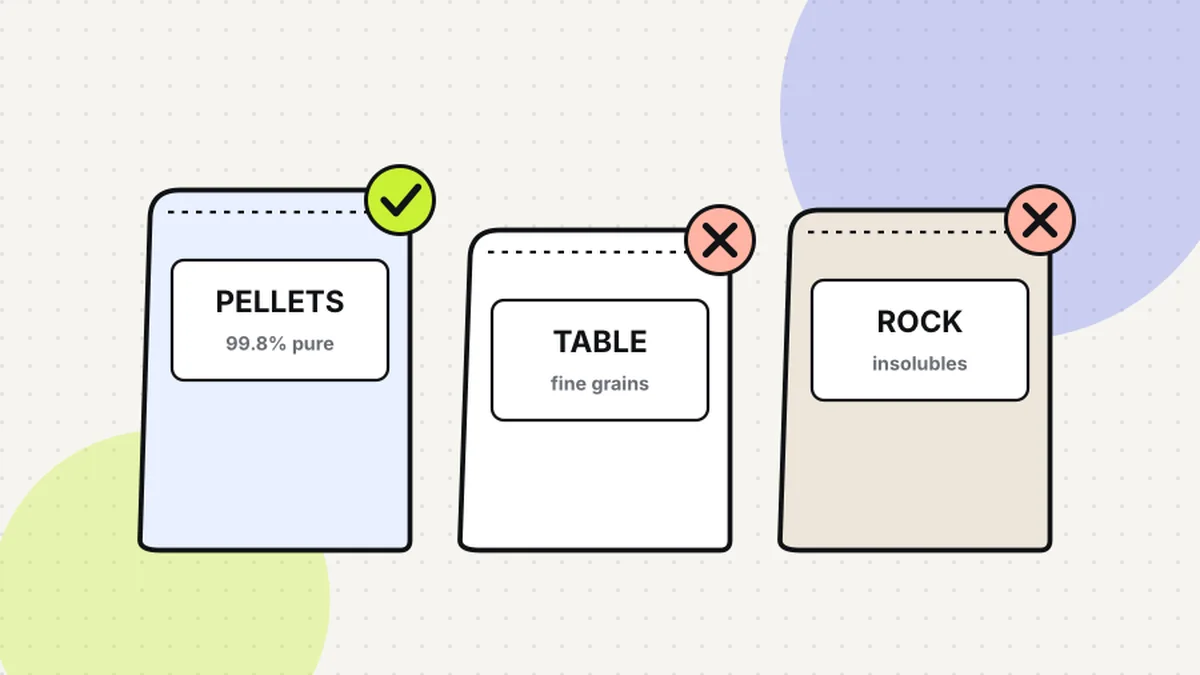
The fix takes about ten minutes of work and a day of patience. Break up any bridge first and scoop out loose chunks. Add softener salt until the tank is roughly half full, or follow the fill line your manual gives. Then wait. Salt needs time to dissolve into a strong brine, so give it two hours or more before you do anything else.
After that, start a manual regeneration from the control panel. Most units have a "regen" or "recharge" button, and older mechanical timers have a dial you push and turn. Running a second regeneration the next day is worth it if the tank was empty for weeks, because one cycle may not fully clean a heavily loaded bed. Your pipes and water heater are still full of hard water at that point, so expect two or three days before every tap runs soft again.
How to make sure it does not happen again
Salt use varies a lot, but many homes go through a 40-pound bag every four to eight weeks. The simplest habit is a monthly look in the tank, tied to something you already do, like paying a utility bill. Keep the salt level above the water line, and do not wait for the tank to look empty.
If you forget easily, a low-salt sensor costs less than a few bags of salt, and many water treatment dealers will deliver salt on a schedule. A dry erase line on the tank lid with the date of the last top-up works too, and costs nothing.